Massimiliano Rossetto
*1993, Zurich, Switzerland

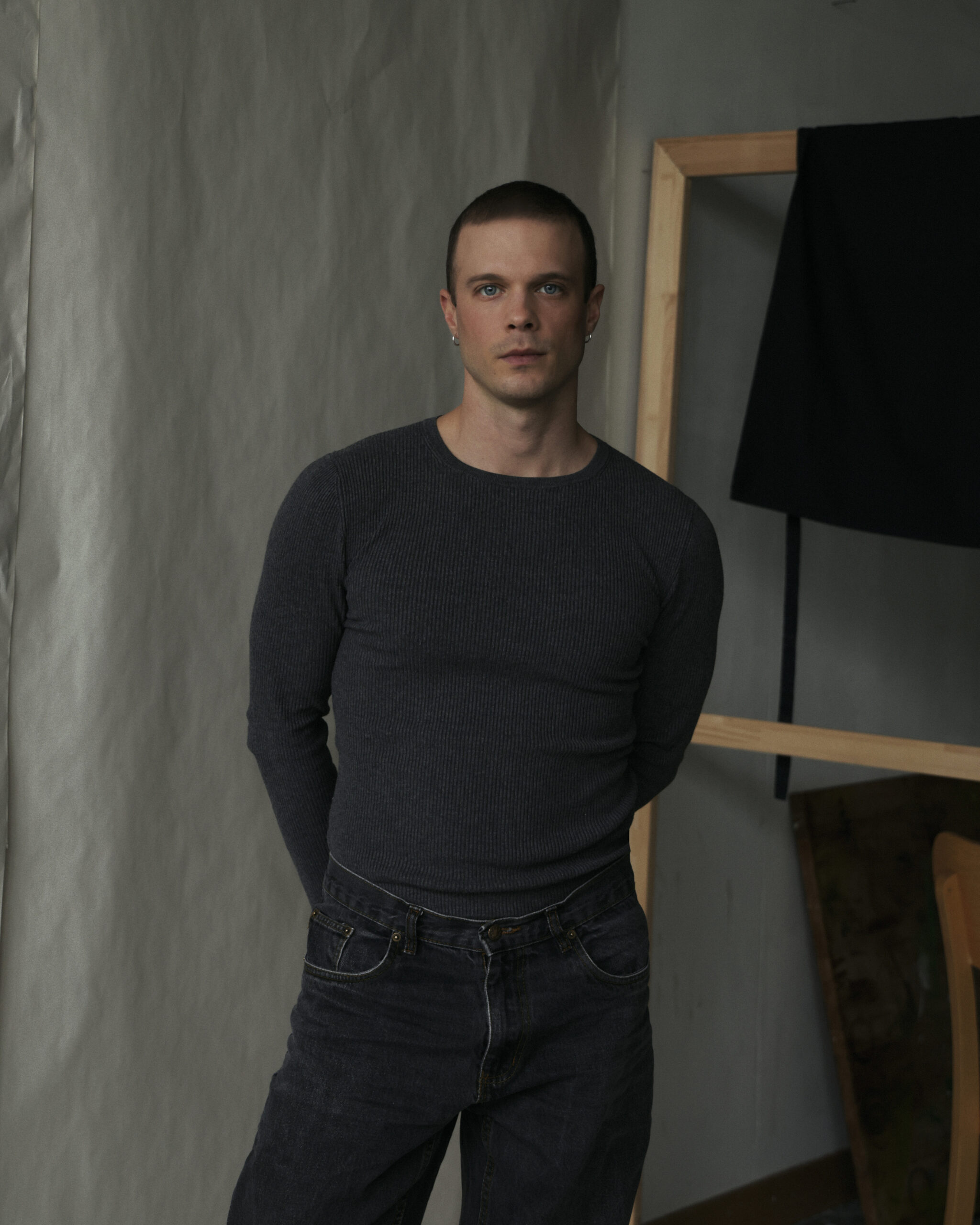
Massimiliano Rossetto (b. 1993) is a Swiss–Italian artist working across photography, sculpture, and multisensory installation. His practice investigates the entanglement of landscapes, bodies, and memory through a queer ecological perspective. He holds an MFA from ZHdK – Zurich University of the Arts and a BA in Fine Arts from BLOO, Lyon. His work has been exhibited internationally at institutions and festivals including standard/deluxe, m.a.x. museo – Spazio Officina, FOTO WIEN, Noorderlicht International Photofestival, Huaguang Photography Art Museum, Mois Européen de la Photographie Luxembourg, Tokyo University of the Arts, and ETH Zürich, and is held in public and private collections. Rossetto has received the Pro Helvetia Focus Photo grant (2025) and the 24th vfg Swiss Young Talent Award for Photography (2020). He lives and works in Zurich.
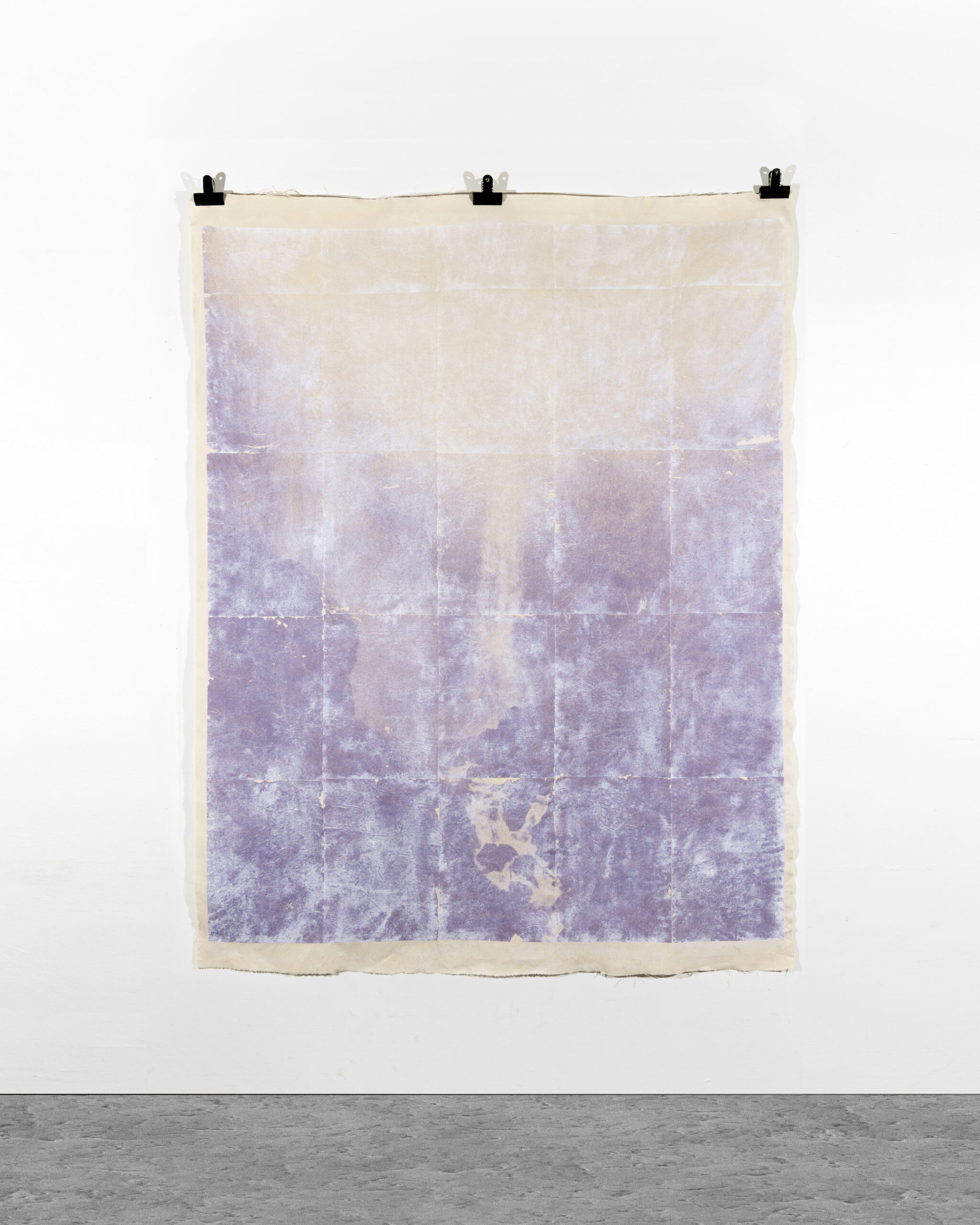
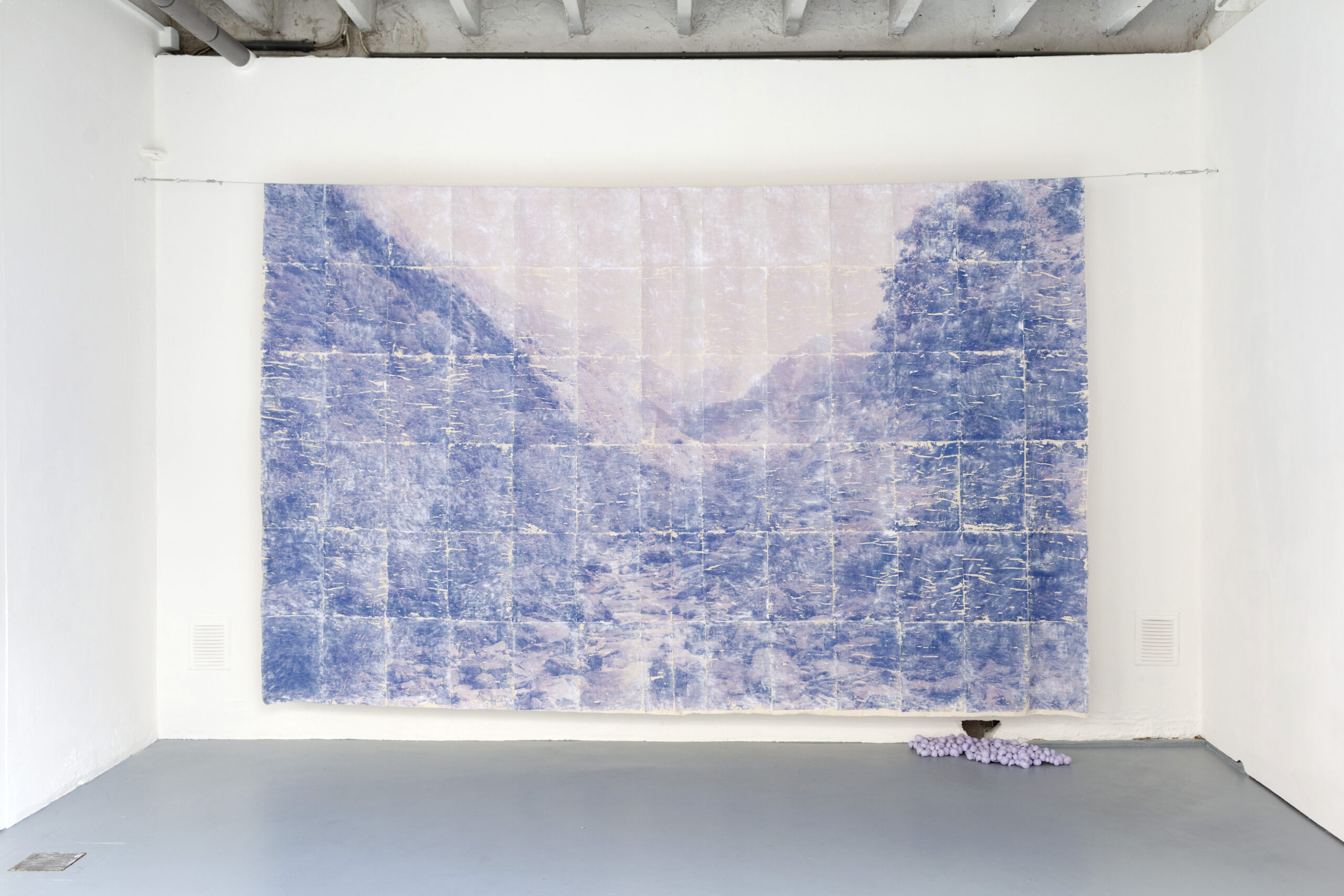
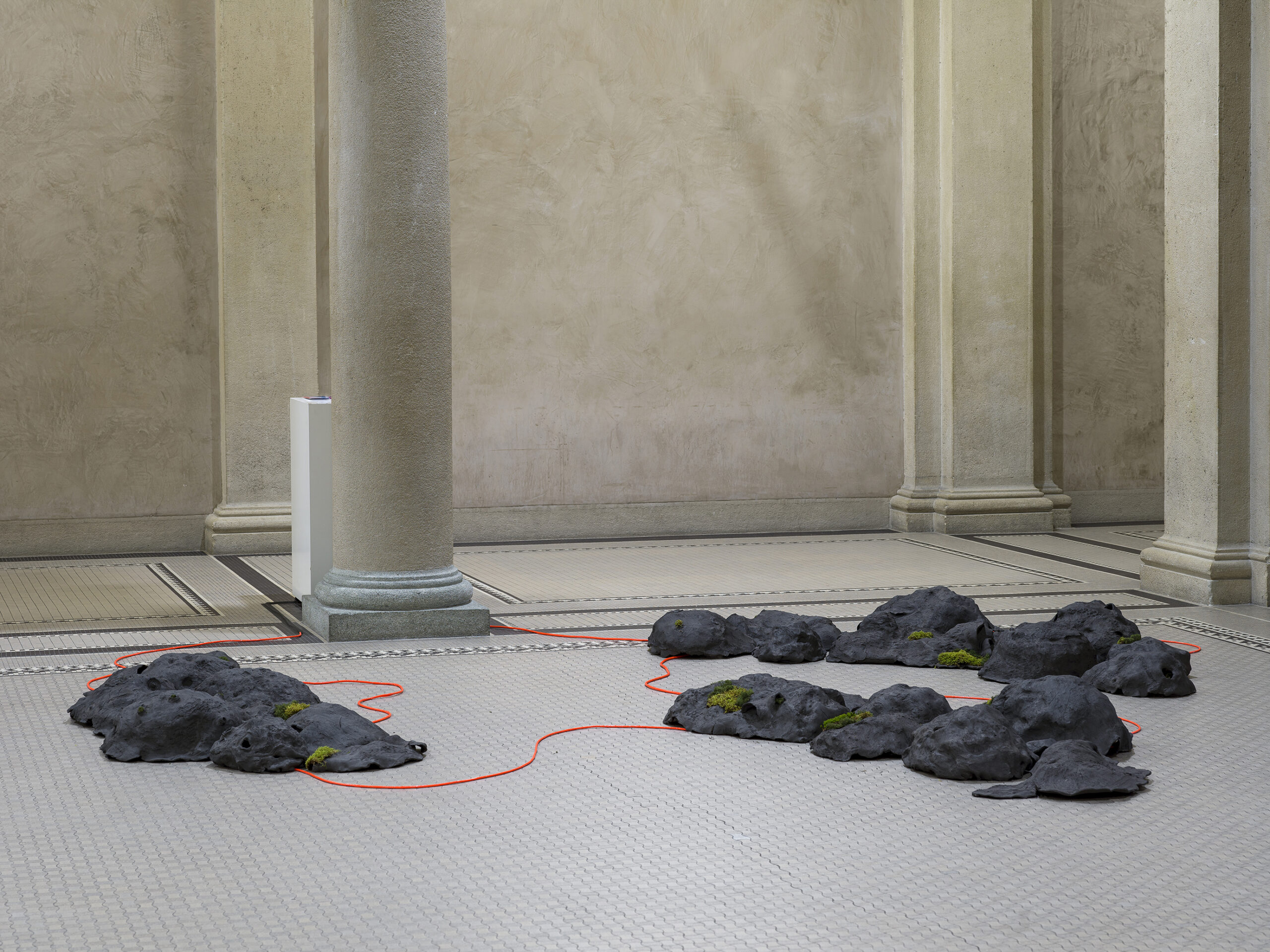
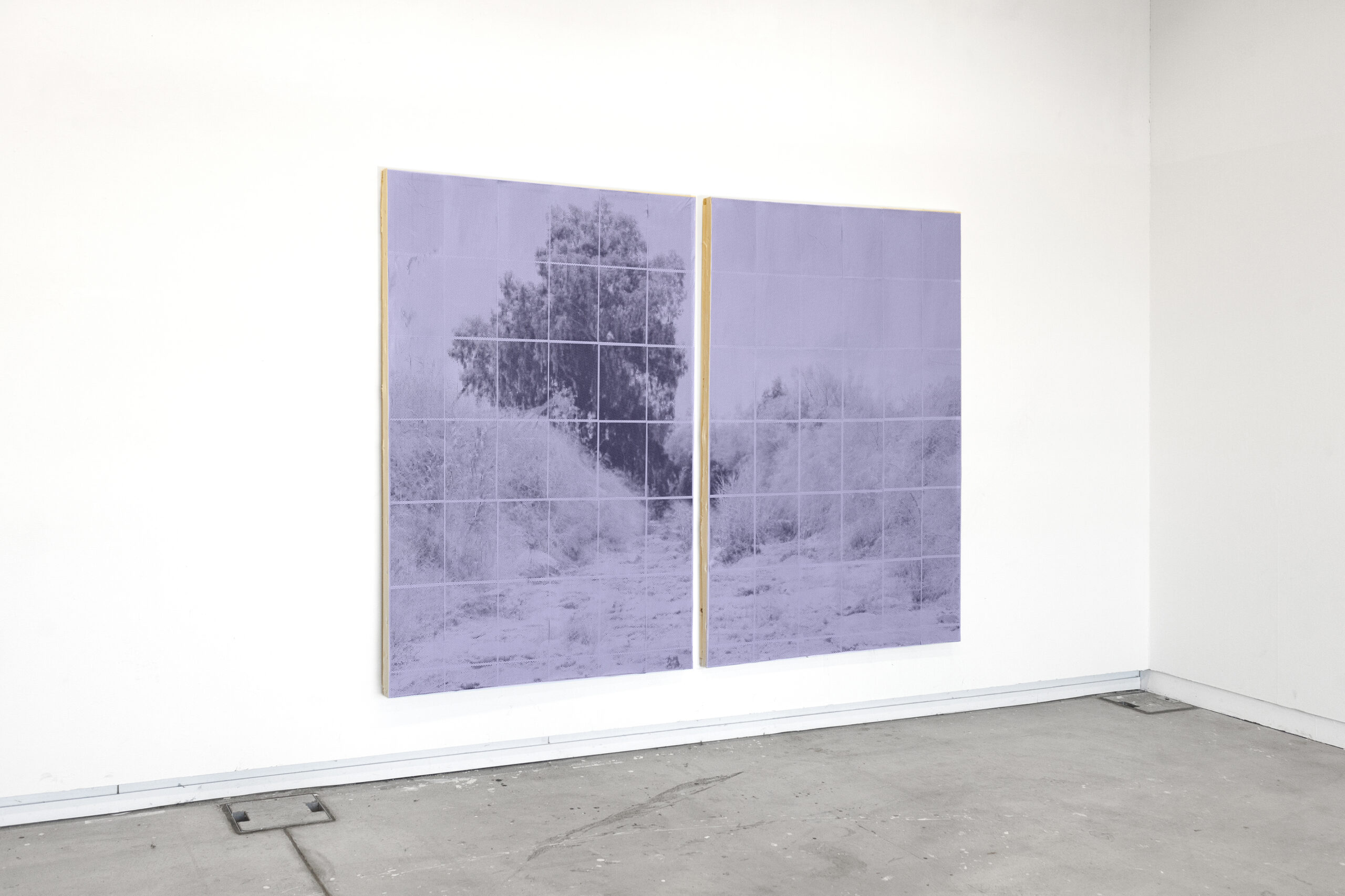
Rossetto’s artistic practice investigates how landscapes, narratives, and bodies pulse, seep, and intertwine through a queer ecological perspective. Across photography, sculpture, and multisensory installation, he engages remote and marginal sites—valleys, transitional terrains, and slowly transforming environments—where desire flows, memory lingers, and ecological processes unfold. His practice responds to the urgency of rethinking attention, care, and relationality in a moment defined by ecological and social precarity.
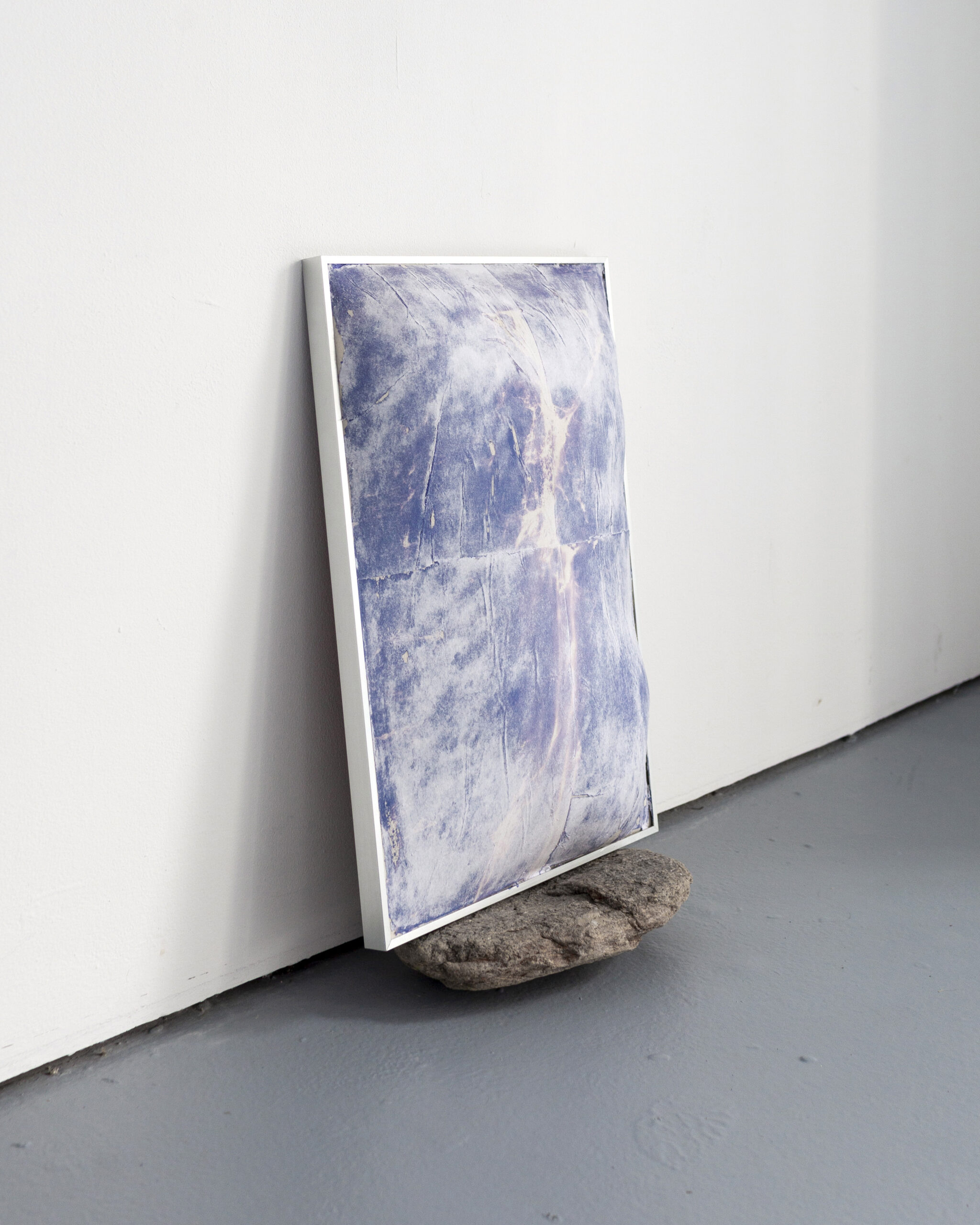
Rooted in ancestral origins and personal narrative, he deconstructs and reconstructs images and materials, tracing the layers where matter, bodies, and places continuously shape one another. Landscapes are treated as living systems that remember, resist, and respond. From within them, images, scent, light, sound, and sculptural elements surface and gather, forming immersive encounters where self and terrain intertwine, fragility unfolds into resilience, and memory courses through every surface and gesture.
Queer ecology shapes both method and perspective—messy, interdependent, entangled. Rossetto proposes ways of sensing, inhabiting, and imagining the world that shift perception and presence, insisting that these gestures themselves enact change and invite new forms of connection with one another and the landscapes we inhabit.
Massimiliano Rossetto (b. 1993) is a Swiss–Italian artist working across photography, sculpture, and multisensory installation. His practice investigates the entanglement of landscapes, bodies, and memory through a queer ecological perspective. He holds an MFA from ZHdK – Zurich University of the Arts and a BA in Fine Arts from BLOO, Lyon. His work has been exhibited internationally at institutions and festivals including standard/deluxe, m.a.x. museo – Spazio Officina, FOTO WIEN, Noorderlicht International Photofestival, Huaguang Photography Art Museum, Mois Européen de la Photographie Luxembourg, Tokyo University of the Arts, and ETH Zürich, and is held in public and private collections. Rossetto has received the Pro Helvetia Focus Photo grant (2025) and the 24th vfg Swiss Young Talent Award for Photography (2020). He lives and works in Zurich.
Rossetto’s artistic practice investigates how landscapes, narratives, and bodies pulse, seep, and intertwine through a queer ecological perspective. Across photography, sculpture, and multisensory installation, he engages remote and marginal sites—valleys, transitional terrains, and slowly transforming environments—where desire flows, memory lingers, and ecological processes unfold. His practice responds to the urgency of rethinking attention, care, and relationality in a moment defined by ecological and social precarity.
Rooted in ancestral origins and personal narrative, he deconstructs and reconstructs images and materials, tracing the layers where matter, bodies, and places continuously shape one another. Landscapes are treated as living systems that remember, resist, and respond. From within them, images, scent, light, sound, and sculptural elements surface and gather, forming immersive encounters where self and terrain intertwine, fragility unfolds into resilience, and memory courses through every surface and gesture.
Queer ecology shapes both method and perspective—messy, interdependent, entangled. Rossetto proposes ways of sensing, inhabiting, and imagining the world that shift perception and presence, insisting that these gestures themselves enact change and invite new forms of connection with one another and the landscapes we inhabit.